Dead Tree Removal in Reno, NV
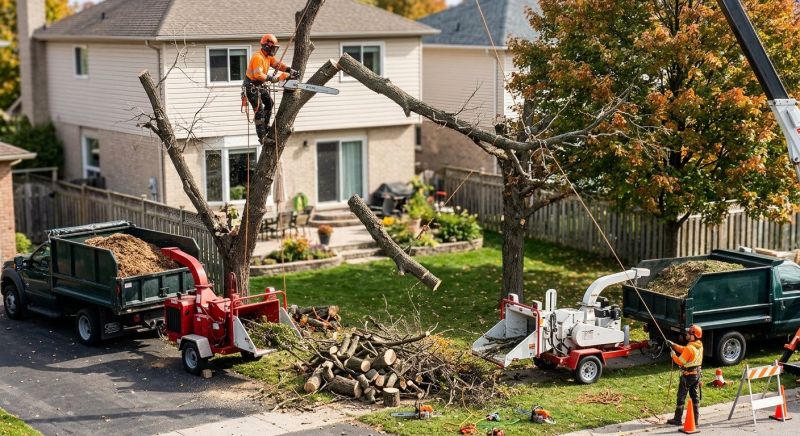
Dead tree removal services involve the safe and efficient removal of trees that are dead, dying, or pose a risk to property or safety. This type of service typically covers projects such as removing fallen or hazardous trees, clearing dead branches from healthy trees, and addressing trees that have become structurally compromised due to disease or damage. Property owners interested in this service should consider factors like the size and location of the tree, potential impacts on surrounding structures or landscaping, and any local regulations or permits that may be required before proceeding with removal.
Before requesting dead tree removal, homeowners often want to understand the scope of work involved, including whether the entire tree will be removed or if only certain parts will be addressed. It is also helpful to consider the potential effects on the landscape, nearby utility lines, and safety concerns during the process. Clear communication about these aspects can ensure the project aligns with property goals and safety standards.
Many property owners in Reno, NV look into Dead Tree Removal for repairs, replacements, upgrades, and appearance-related improvements.
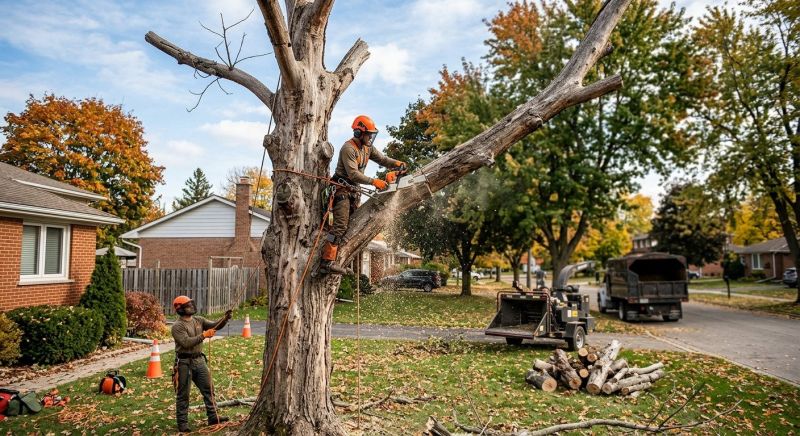
Safety And Property Protection
Removing dead trees reduces the risk of falling branches and property damage.
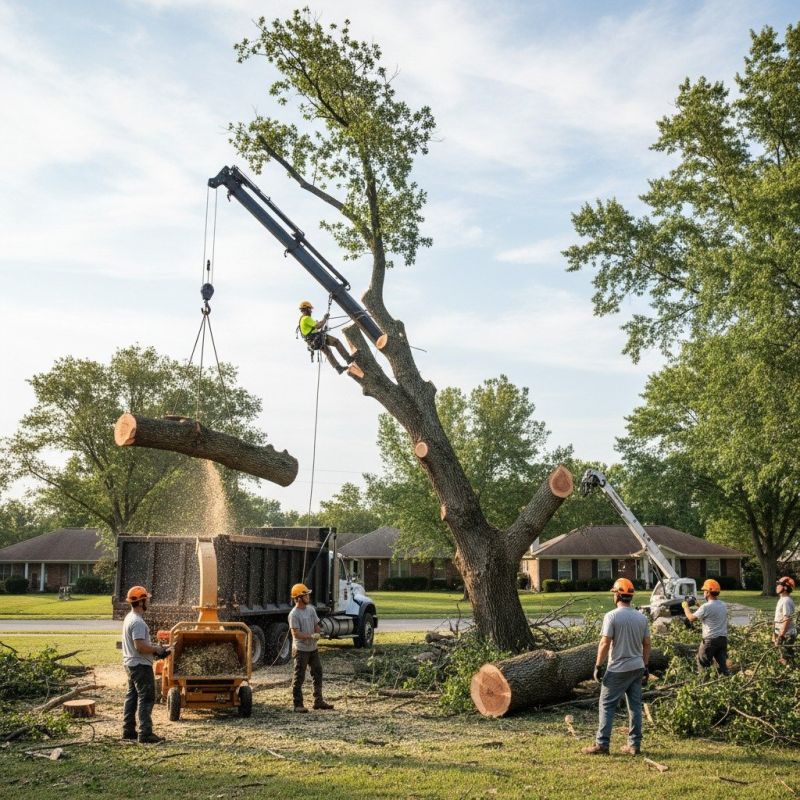
Aesthetic Improvement
Dead tree removal enhances the appearance and value of residential and commercial properties.
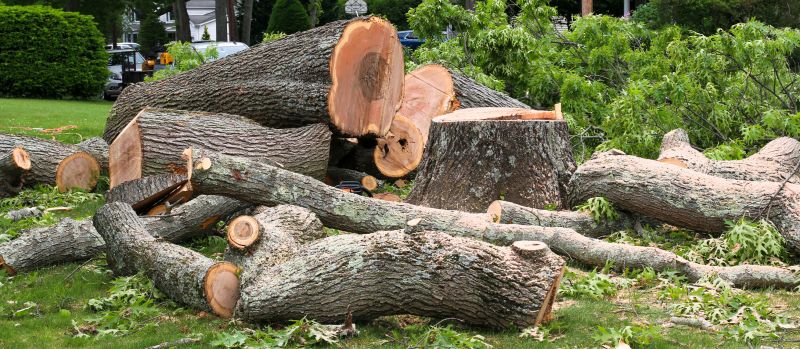
Tree Health And Prevention
Proper removal helps prevent disease spread to healthy trees and maintains landscape health.
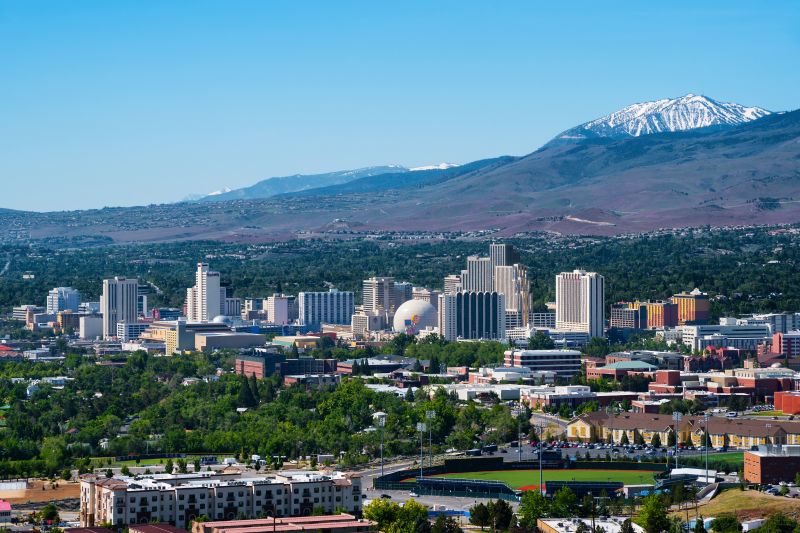
Dead Tree Removal in Reno, NV
Dead tree removal services involve the safe and efficient removal of trees that are dead, dying, or pose a risk to property or safety. This type of service typically covers projects such as removing fallen or hazardous trees, clearing dead branches from healthy trees, and addressing trees that have become structurally compromised due to disease or damage. Property owners interested in this service should consider factors like the size and location of the tree, potential impacts on surrounding structures or landscaping, and any local regulations or permits that may be required before proceeding with removal.
Before requesting dead tree removal, homeowners often want to understand the scope of work involved, including whether the entire tree will be removed or if only certain parts will be addressed. It is also helpful to consider the potential effects on the landscape, nearby utility lines, and safety concerns during the process. Clear communication about these aspects can ensure the project aligns with property goals and safety standards.
Many property owners in Reno, NV look into Dead Tree Removal for repairs, replacements, upgrades, and appearance-related improvements.
Common Dead Tree Removal Jobs
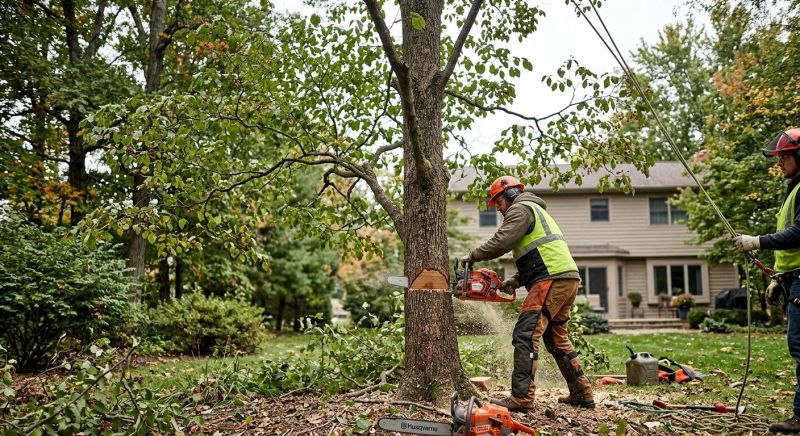
Dead Tree Removal - safely removes hazardous or decayed trees to protect property and surrounding areas.
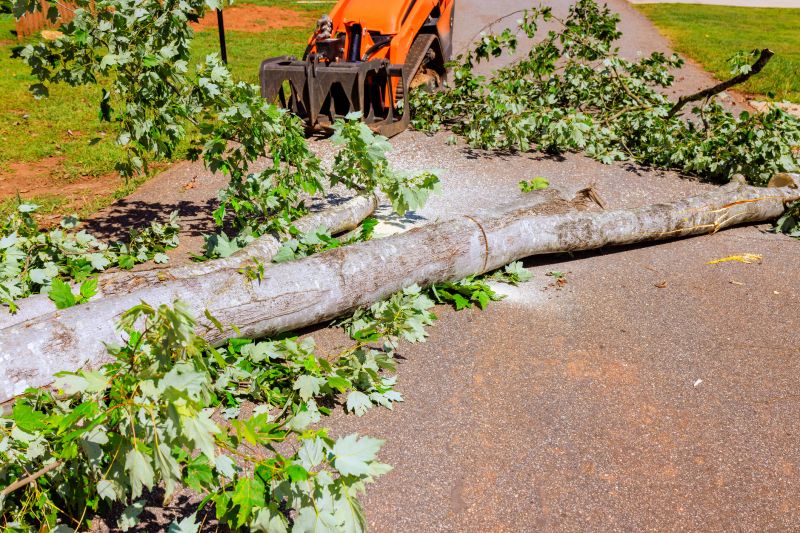
Storm-Damaged Tree Removal - clears trees that have fallen or are at risk of falling after severe weather events.
Urban Tree Removal - manages trees in confined or landscaped spaces to prevent damage or obstruction.
Emergency Tree Removal - responds to urgent situations involving unstable or dangerous dead trees.
Selective Deadwood Removal - removes dead branches to improve tree health and reduce safety hazards.
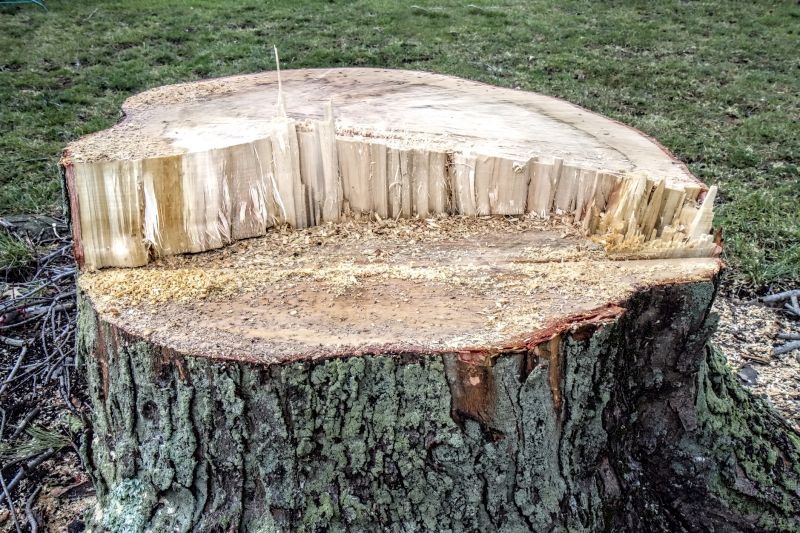
Complete Tree Removal - removes entire dead or dying trees to maintain landscape safety and aesthetics.
Dead Tree Removal Questions
When is dead tree removal necessary? Dead trees may pose safety risks, damage property, or attract pests, making removal advisable.
What signs indicate a tree is dead? Lack of leaves, brittle branches, and visible decay are common indicators of a dead tree.
Are there any regulations for removing dead trees? Regulations vary by area; it’s important to check local guidelines before removal.
What should property owners consider before removing a dead tree? Consider the tree’s location, size, and potential impact on surrounding structures or landscape.
Request Dead Tree Removal in Reno, NV
Use the quote form on this page to share the basics of your project and request more information for the type of work you need.