Mimosa Tree Removal in Allentown, PA
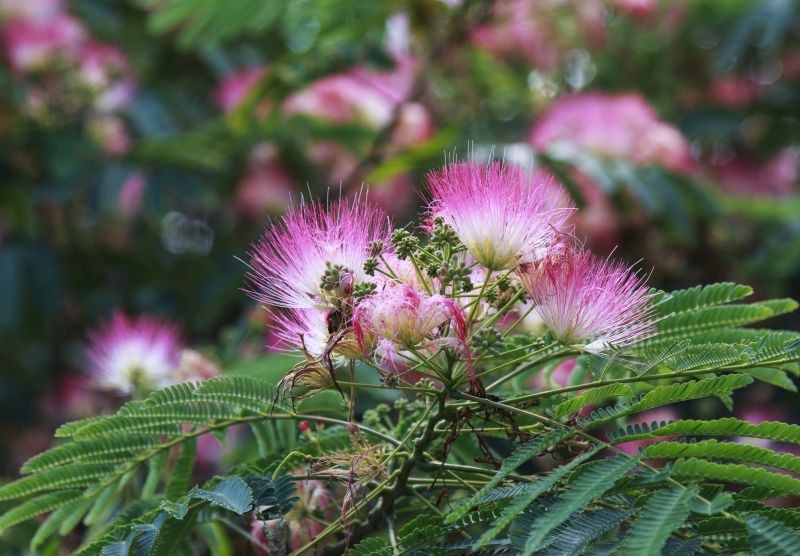
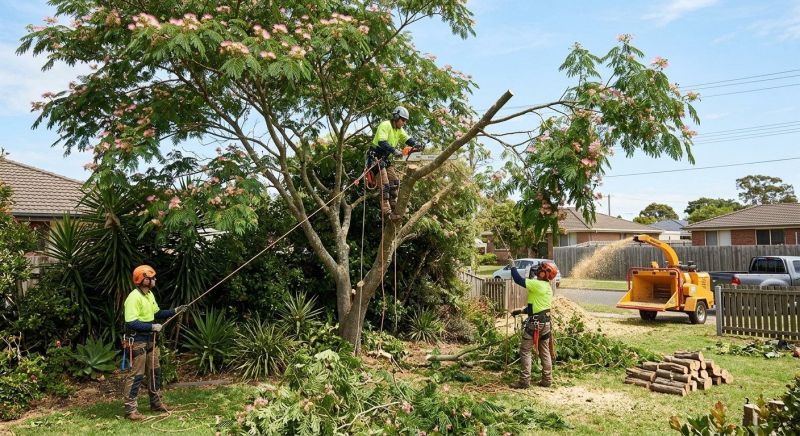
Mimosa tree removal services involve the careful elimination of mature mimosa trees that may pose risks to property or safety. These projects typically include removing dead or overgrown trees, clearing space for new landscaping, or addressing trees that have become structurally compromised. Property owners often request this service when a mimosa tree has become diseased, damaged, or has outgrown its designated space, ensuring that the removal process minimizes disturbance to surrounding plants and structures.
Before requesting mimosa tree removal, property owners should consider the size and location of the tree, as well as any potential impacts on nearby utilities or structures. It is also helpful to understand any local regulations or permits required for tree removal in the area. Proper planning and assessment can facilitate a smooth removal process, helping to maintain the safety and appearance of the property.
Many property owners in Allentown, PA look into Mimosa Tree Removal for repairs, replacements, upgrades, and appearance-related improvements.
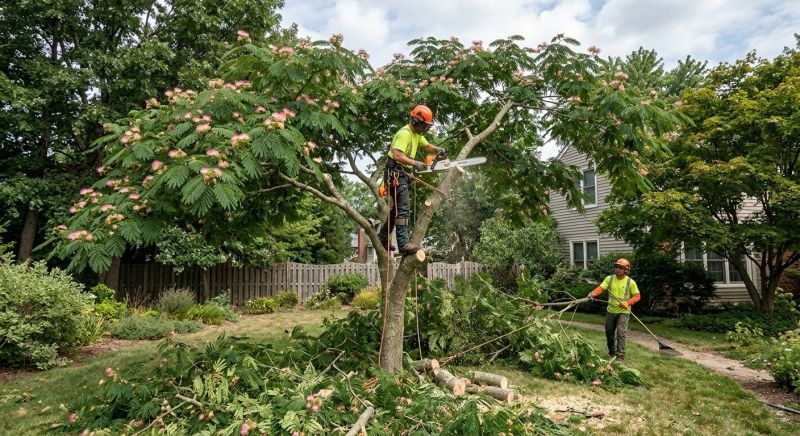
Reasons For Mimosa Tree Removal
Mimosa trees may need removal due to disease, damage, or overgrowth that affects property safety and aesthetics.
Signs A Mimosa Tree Should Be Removed
Indicators include dead branches, leaning structure, or root issues that compromise the tree's stability.

Benefits Of Professional Mimosa Tree Removal
Professional removal helps prevent property damage, reduces safety hazards, and maintains landscape appearance in allentown and nearby areas.
Mimosa Tree Removal in Allentown, PA

Mimosa tree removal services involve the careful elimination of mature mimosa trees that may pose risks to property or safety. These projects typically include removing dead or overgrown trees, clearing space for new landscaping, or addressing trees that have become structurally compromised. Property owners often request this service when a mimosa tree has become diseased, damaged, or has outgrown its designated space, ensuring that the removal process minimizes disturbance to surrounding plants and structures.
Before requesting mimosa tree removal, property owners should consider the size and location of the tree, as well as any potential impacts on nearby utilities or structures. It is also helpful to understand any local regulations or permits required for tree removal in the area. Proper planning and assessment can facilitate a smooth removal process, helping to maintain the safety and appearance of the property.
Many property owners in Allentown, PA look into Mimosa Tree Removal for repairs, replacements, upgrades, and appearance-related improvements.
Common Mimosa Tree Removal Jobs
Mimosa Tree Removal - safely removes unwanted or hazardous mimosa trees from residential properties.
Stump Grinding - clears remaining tree stumps to prevent regrowth and improve landscape appearance.
Selective Tree Cutting - reduces tree height or size to improve safety and prevent property damage.
Emergency Tree Removal - handles urgent situations involving fallen or unstable mimosa trees.
Root Removal - extracts invasive root systems that threaten foundations or underground utilities.
Complete Tree Removal - removes entire mimosa trees for landscaping or property renovation projects.
Mimosa Tree Removal Questions
Why remove a Mimosa Tree? Removal may be necessary if the tree is diseased, damaged, or causing safety concerns on the property.
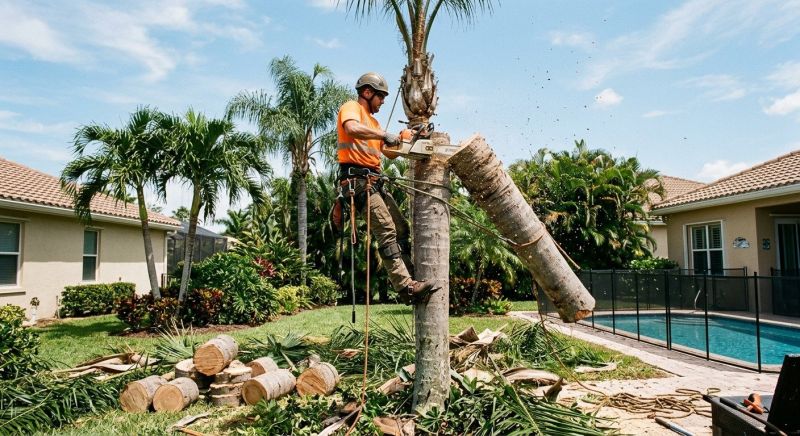
How is Mimosa Tree removal performed? The process involves cutting the tree down and removing the stump, often using specialized equipment for safety and efficiency.
When is the best time to remove a Mimosa Tree? The ideal time is during dormancy, typically in late winter or early spring, to reduce stress on the landscape.
Are there any risks involved in removing a Mimosa Tree? Risks include property damage or injury if proper techniques are not used; hiring experienced professionals helps mitigate these concerns.
Request Mimosa Tree Removal in Allentown, PA
Use the quote form on this page to share the basics of your project and request more information for the type of work you need.